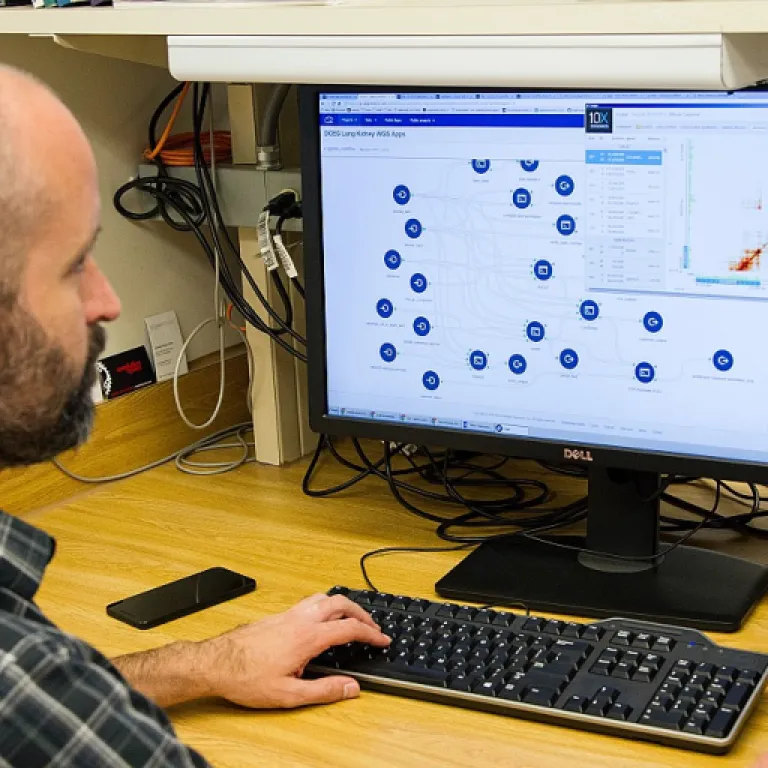
Growing importance of mobile devices in digital forensics
Why mobile devices are now central to digital forensics
In recent years, mobile devices have become a primary source of digital evidence in forensic investigations. With the widespread use of smartphones, tablets, and other connected devices, the amount of data generated and stored on these platforms has grown exponentially. This shift has made mobile forensics a critical field for law enforcement, security professionals, and forensic investigators.
Mobile phones and similar devices provide a rich array of information, from text messages and call logs to social media interactions and location data. These devices often hold the key to understanding user behavior, reconstructing timelines, and uncovering crucial evidence in both criminal and civil cases. As people increasingly rely on their phones for communication, banking, and even work, the role of device forensics in investigations has expanded significantly.
The process of extracting and analyzing data from mobile devices presents unique challenges compared to traditional computer forensics. Different operating systems, frequent updates, and diverse security measures require specialized forensic tools and expertise. The growing complexity of mobile device ecosystems means that investigators must stay updated on the latest techniques and tools to ensure reliable results.
Mobile forensics is not only about retrieving deleted files or recovering text messages. It also involves understanding the network connections, app usage, and file system structures unique to each device. This comprehensive approach is essential for building a strong case and ensuring that digital evidence stands up in legal proceedings.
- Mobile devices are often the first point of contact in cybercrime and incident response scenarios.
- Forensic investigators must navigate legal and technical challenges to access and preserve data.
- Emerging tools and techniques continue to evolve, helping experts address new security and privacy concerns.
As the future of software and technology continues to evolve, the importance of mobile device forensics will only increase. For those interested in how automation and digital transformation are shaping investigations and business processes, exploring how RPA is transforming business processes offers valuable insights into the broader impact of digital tools in today’s world.
Types of data stored on mobile devices
What investigators find on mobile devices
Mobile devices have become central to digital forensics investigations because they store a vast range of data. These devices provide access to information that can be critical evidence in a case. Forensic investigators often focus on the following types of data:- Text messages and call logs: Communication records are often key in understanding user behavior and connections.
- Emails and instant messaging apps: These can reveal conversations, plans, or even attempts to conceal evidence.
- Photos, videos, and audio files: Media files may contain direct evidence or metadata such as timestamps and locations.
- Social media activity: Posts, messages, and interactions on platforms can provide insights into motives or relationships.
- Location data: GPS and network-based location history can place a device—and its user—at specific places and times.
- App data and usage history: Information from apps, including financial, health, or travel apps, can be relevant to investigations.
- File system artifacts: Deleted files, cached data, and system logs can sometimes be recovered and analyzed.
- Network connections: Records of Wi-Fi, Bluetooth, and cellular connections may help reconstruct movements or contacts.
Challenges in extracting and analyzing mobile data
Complexities in Accessing and Interpreting Mobile Evidence
The process of extracting and analyzing data from mobile devices presents unique challenges for forensic investigators. Unlike traditional computers, mobile phones and tablets operate on a wide range of operating systems and proprietary file systems. Each device may use different encryption methods, security features, and data storage structures, making the forensic process more complex. Forensic tools must adapt to frequent updates in mobile operating systems. A tool that works on one version of a device's OS may not function on the next, requiring constant updates and specialized knowledge. Investigators often face difficulties with locked devices, encrypted data, and remote wipe capabilities, which can erase critical evidence before it is collected. Legal considerations also play a significant role. Accessing a mobile device without proper authorization can jeopardize the integrity of the investigation and the admissibility of evidence in court. Chain of custody and data integrity are essential, especially when dealing with sensitive information like text messages, social media activity, or location data. Network connectivity adds another layer of complexity. Many mobile devices synchronize with cloud services, meaning that relevant data may reside outside the physical device. Investigators must determine whether evidence is stored locally, in the cloud, or distributed across multiple platforms. This requires a deep understanding of both device forensics and network forensics. Forensic investigators must also contend with the sheer volume of data mobile devices provide. Sorting through thousands of messages, images, and app data can be time-consuming. Automated forensic tools help, but manual review is often necessary to interpret context and relevance in a case. The evolving landscape of digital forensics demands that investigators stay current with the latest tools and techniques. For those interested in how modern architectures are shaping the future of software, including forensic applications, this in-depth look at Prometheus architecture offers valuable insights. In summary, the challenges in mobile forensics stem from technical, legal, and procedural factors. Overcoming these obstacles is critical for law enforcement and digital forensics professionals to ensure reliable, actionable evidence in investigations.Role of mobile devices in cybercrime and incident response
Mobile Devices as Key Evidence Sources in Cybercrime
Mobile devices have become central to digital forensics investigations, especially in cases involving cybercrime and incident response. These devices provide a wealth of data, from call logs and text messages to social media activity and geolocation records. Forensic investigators often find that a mobile phone can reveal the timeline of events, user intent, and connections between suspects, making it a critical piece of evidence in many cases.Incident Response: Speed and Complexity
When a security incident occurs, the ability to quickly access and analyze data from mobile devices is crucial. Law enforcement and forensic teams must act fast to preserve volatile evidence, such as deleted messages or recent app activity. The process is complicated by the diversity of operating systems and file systems across mobile phones, which can impact the effectiveness of forensic tools and techniques.- Mobile forensics tools must adapt to frequent updates in device security and encryption.
- Network-based evidence, like cloud backups or app data, adds another layer of complexity to investigations.
- Legal considerations, such as warrants and chain of custody, are essential to ensure evidence is admissible in court.
Challenges for Forensic Investigators
Forensic investigators face significant challenges when dealing with mobile devices in digital forensics. Many modern phones use advanced encryption, making data extraction difficult without proper authorization or specialized forensic tools. Additionally, the sheer volume of data stored on devices—ranging from personal communications to sensitive business information—requires careful filtering and analysis to identify relevant evidence for each case.Collaboration and Evolving Threats
The rise of mobile devices in cybercrime means that investigators must collaborate closely with network security teams and legal experts. As attackers increasingly target mobile phones to bypass traditional security measures, the role of device forensics in incident response will only grow. Staying ahead of these threats requires continuous training, investment in new forensic tools, and a deep understanding of both the technical and legal landscape surrounding mobile forensics investigations.Emerging tools and techniques for mobile forensics
Innovative Approaches in Mobile Device Evidence Collection
The rapid evolution of mobile devices has led to a surge in specialized forensic tools designed to extract and analyze data from a wide range of operating systems and device models. Investigators now rely on advanced solutions that can access encrypted file systems, recover deleted text messages, and retrieve information from social media applications. These tools are essential in digital forensics investigations, as mobile phones often contain critical evidence related to user activity, location, and communication.Automation and Cloud-Based Forensic Platforms
Modern mobile forensics tools increasingly leverage automation to streamline the evidence collection process. Automated workflows help forensic investigators efficiently process large volumes of data, reducing manual intervention and minimizing the risk of human error. Cloud-based platforms are also gaining traction, enabling secure remote analysis and collaboration across different law enforcement agencies or digital forensics teams. This shift supports faster response times in urgent cases and enhances the overall security of sensitive data.Addressing Security and Legal Challenges
As mobile devices become more secure, forensic tools must adapt to new security features such as advanced encryption and biometric authentication. Solutions now include capabilities to bypass or legally access locked devices, ensuring that evidence can be obtained without compromising device integrity. Legal considerations remain at the forefront, with forensic investigators required to follow strict protocols to maintain the chain of custody and comply with privacy regulations during the extraction and analysis process.- Support for multiple device types and operating systems
- Integration with network analysis tools to trace communication patterns
- Enhanced reporting features for courtroom presentation