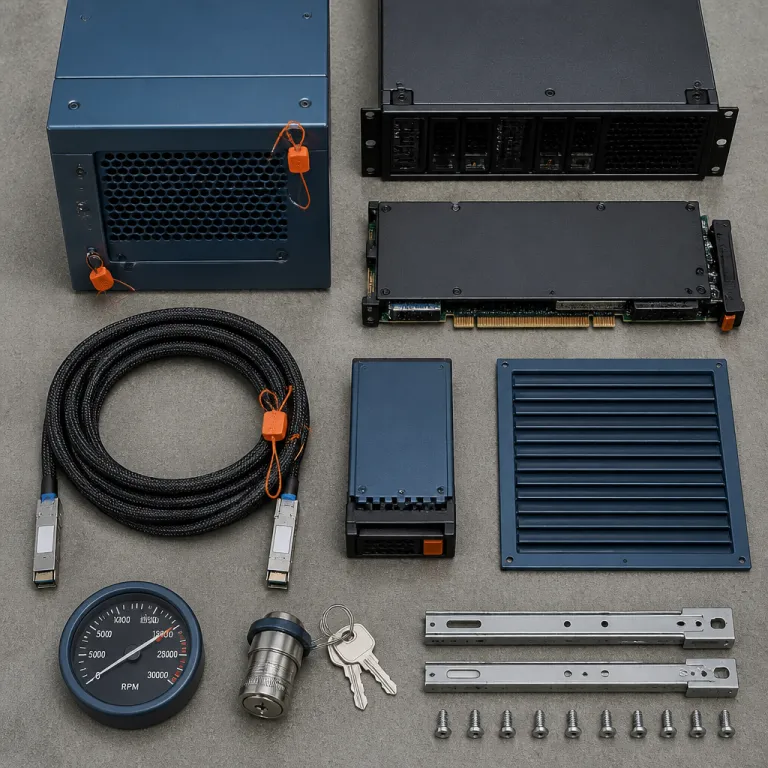
Why mainframe security still anchors mission critical business systems
Mainframe security remains the quiet backbone of many global enterprises. In large banks and airlines, a single mainframe with tightly controlled security can process millions of transactions while keeping sensitive data protected. IBM has estimated that its Z systems handle roughly 70% of global production IT workloads and a major share of the world’s credit card transactions, which explains why these environments depend on rock solid controls for mission critical systems in production.
When you think about high quality mainframe security solutions, you are usually considering how well they protect data with strong encryption, granular access control, and continuous monitoring. Enterprise grade security platforms must integrate cleanly with existing mainframe systems, modern networks, and cloud connected applications, while preserving predictable performance under peak processing loads. That is why many organisations still rely on an IBM mainframe or other enterprise mainframes as the core of their security compliance strategy for payment, identity, and regulatory workloads.
These platforms host decades of business logic embedded in COBOL applications and modern APIs. Any mainframe security weakness can expose file repositories, transaction logs, and real time payment streams to attackers who understand legacy protocols. Robust mainframe solutions therefore combine hardened operating systems, controlled file transfers, and strict network management to keep every layer aligned with current best practices and to reduce the likelihood of costly data breaches.
Evaluating mainframe solutions through a cybersecurity lens
Security leaders increasingly ask how to identify high quality mainframe security solutions when budgets and skills are under pressure. A practical answer starts with mapping every mainframe system, every interface, and every piece of software that touches sensitive data with clear ownership and risk ratings. Only then can you compare mainframe solutions objectively on coverage, automation, and measurable performance.
For many organisations, IBM systems and third party security solutions coexist on the same mainframes, protecting both legacy applications and new digital channels. A strong evaluation framework looks at how each product handles authentication, authorisation, encryption, and logging across operating systems, networks, and file services, and how it supports security compliance for regulations such as PCI DSS or GDPR. When you review any vendor’s mainframe portfolio, insist on a documented case study that shows how the tool improved mainframe performance, reduced incidents, or simplified management for a similar business.
Integration is another decisive factor because mainframe operations rarely run in isolation. Modern middleware for digital transformation, such as the approaches discussed in this analysis of how middleware drives digital transformation in the future of software, must interoperate cleanly with mainframe security controls. When network management, file transfers, and SSH gateways are orchestrated consistently, security solutions can enforce policies in real time without slowing transaction processing or disrupting business services.
Core capabilities that define high quality mainframe security
High quality mainframe security starts with identity and access management that understands the nuances of mainframe systems. Role based controls, multi factor authentication, and privileged session monitoring must all work seamlessly with RACF, ACF2, or Top Secret while still aligning with enterprise identity platforms. When you shortlist mainframe security products, you are usually highlighting those that make this integration reliable, auditable, and straightforward to operate at scale.
Secure connectivity is the next pillar because every network path into the mainframe carries risk. Encrypted SSH tunnels, hardened TCP endpoints, and segmented network zones protect data with strong cryptography while preserving low latency for transaction processing. File transfers between mainframes, distributed servers, and cloud storage need policy based controls, integrity checks, and detailed logging so that security compliance teams can trace every movement of sensitive files in real time and demonstrate control during audits.
Operational tooling also matters because mainframe operations teams must keep systems available while defending against attacks. Effective mainframe solutions provide dashboards for mainframe performance, automated alerts for suspicious access, and workflows that guide support teams through incident response. To keep user identities consistent across platforms, many organisations now adopt integrated user management approaches similar in spirit to the patterns described for streamlining user management with directory integration, adapting them carefully to the constraints of mainframe software and security controls.
Balancing performance, security, and open source innovation
Modern security teams must balance mainframe performance with ever tighter security requirements. Excessive monitoring or poorly tuned encryption can slow transaction processing, yet weak controls expose critical data to unacceptable risk. When you evaluate enterprise mainframe security platforms, you are often recognising those that maintain throughput while still enforcing strict policies and providing clear evidence of control effectiveness.
Vendors of IBM mainframe platforms and independent software providers now expose APIs and telemetry that help security solutions optimise both performance and protection. These interfaces allow real time analytics platforms to correlate events from mainframe systems, distributed servers, and cloud services, giving network management teams a unified view of threats. Some organisations also experiment with open source components for log analysis or automation, but they keep the core mainframe security controls on rock solid, fully supported products that meet formal security compliance requirements and provide vendor backed support.
Architects should treat each mainframe as part of a wider digital ecosystem rather than an isolated box. That perspective makes it easier to integrate mainframe solutions with cloud native security tools, identity platforms, and modern observability stacks. Articles such as the preview of how new platforms reshape application teams show how fast non mainframe environments evolve, and mainframe operations must keep pace by exposing secure interfaces and telemetry without weakening core protections.
From legacy risk to future ready mainframe operations
Many organisations still run decades old applications on mainframes that were never designed for internet connected threats. These legacy systems often rely on flat file structures, custom protocols, and minimal encryption, which creates blind spots for modern security solutions. When you compare high quality mainframe security offerings, you should prioritise those that can wrap these older workloads with strong controls without forcing risky rewrites.
One effective pattern is to place hardened gateways in front of mainframe systems, enforcing authentication, authorisation, and logging before any request reaches mission critical applications. These gateways can manage SSH access, secure file transfers, and network segmentation, while feeding detailed telemetry into central management platforms for analysis in real time. By combining these controls with updated operating systems and carefully tuned mainframe performance tools, organisations can extend the life of existing business applications while still meeting strict security compliance obligations.
Governance is just as important as technology when modernising mainframe operations. Clear ownership of data with defined retention policies, documented best practices for change management, and regular audits of security solutions all contribute to a more predictable risk profile. Over time, this disciplined approach turns mainframe solutions from perceived legacy liabilities into visible strengths that support digital transformation and long term business resilience.
How to build a practical roadmap for mainframe security improvements
Creating a roadmap for mainframe security starts with a realistic assessment of current controls. Security teams should catalogue every interface, every batch job, and every file transfer that touches sensitive data with clear risk ratings. This inventory makes it easier to identify high quality mainframe security tools and match them to the most urgent gaps.
Next, organisations should prioritise quick wins that reduce exposure without disrupting business operations. Examples include enforcing encrypted SSH for all administrative access, centralising network management for mainframe connected segments, and tightening access to mission critical applications that handle payments or identity data. As these improvements stabilise, teams can move on to deeper changes such as upgrading operating systems, deploying new security solutions for privileged access, and integrating mainframe logs into enterprise analytics platforms for continuous monitoring in real time.
Every step in the roadmap should be backed by a clear case study or pilot that demonstrates measurable benefits. Metrics might include reduced incident counts, improved mainframe performance under load, or faster audit responses for security compliance reviews. By communicating these results in business language, security leaders can secure ongoing support for investments in mainframe solutions and ensure that mainframe systems remain trusted pillars of the wider software landscape.
Key figures that frame the future of mainframe security
- IBM has reported that a significant share of the world’s credit card transactions are processed on IBM mainframe platforms, underscoring how deeply mainframe systems underpin mission critical payment processing.
- Industry surveys consistently show that a large proportion of large banks and insurers still rely on mainframes for core business applications, which means mainframe security decisions directly affect millions of end users every day.
- Studies of data breaches indicate that misconfigured access controls and unencrypted file transfers remain common root causes, highlighting why secure SSH usage and policy driven file transfer solutions are central to best practices on mainframes.
- Analyst research has found that organisations with integrated network management and centralised log analysis detect security incidents significantly faster than those with siloed tools, a pattern that applies equally to mainframe operations and distributed environments.
FAQ about high quality mainframe security solutions
How do I start assessing my current mainframe security posture ?
Begin by creating a detailed inventory of mainframe systems, applications, interfaces, and file transfers that handle sensitive data, then map existing controls such as authentication, encryption, and logging. This baseline lets you identify gaps, prioritise risks, and select mainframe solutions that address the most critical weaknesses first.
Which capabilities matter most when choosing mainframe security tools ?
Focus on strong identity and access management, encrypted network connectivity, comprehensive logging, and support for regulatory security compliance. Tools should integrate cleanly with your operating systems, IBM systems or other vendors, and provide clear visibility into mainframe performance and security events in real time.
Can open source tools play a role in mainframe security strategies ?
Open source components can be valuable for log analysis, automation, and integration, especially when combined with rock solid commercial controls on the mainframe itself. Many organisations use open source analytics platforms to correlate events from mainframes, cloud services, and networks while keeping core security enforcement on fully supported products.
How do mainframe security improvements affect overall business resilience ?
Stronger mainframe security reduces the likelihood of outages, data breaches, and regulatory penalties that can disrupt mission critical services. Because mainframes often host core business applications, even modest improvements in access control, network management, and monitoring can significantly enhance overall operational resilience.
What evidence should I request from vendors of mainframe security solutions ?
Ask for a detailed case study that matches your industry, scale, and regulatory environment, including metrics on reduced incidents, improved performance, or faster audits. Vendors should also provide clear roadmaps, documented best practices, and references from organisations that run similar mission critical workloads on mainframe systems.
